Systems / Guide
Meal prep on a GLP-1: smaller portions, more of them, and protein first
Nothing about batch cooking changes when your appetite halves. What changes is the portion size, the container count and the order you eat things in — and the gear you already own was sized for the old appetite.
By Mike M.Updated Researched from maker spec pages
#adMeal & Macro earns from qualifying Amazon purchases. Prices are set by the retailer and change. A commission never decides a ranking. How we score · Disclosure
What actually changes
If you have started a GLP-1 and you already meal prepped, you have probably run into this: the same Sunday session, the same five containers, and now three of them come home half-eaten. That is the whole problem, and it is a logistics problem rather than a cooking one.
Three things shift at once:
- The portion you can finish gets much smaller — and it is not reliably the same from day to day, especially in the week after a dose increase.
- Meal timing spreads out. One large plate becomes two or three smaller sittings, because a large meal is the thing most likely to feel bad.
- Protein stops being automatic. When you were eating 700-calorie plates, hitting protein was a side effect of eating. At 300 calories a sitting it is something you have to aim at.
Notice what does not change: batch cooking, the cooling window, the fridge-and-freezer split, the reheating rules. All of that is identical, and if you are new to it the groundwork is on how to meal prep for beginners and the weekly rhythm is on the meal prep Sunday routine. This page is only the modifications.
The published guidance, quoted
We are not going to invent nutrition rules. Here is what one hospital system publishes, quoted, because it maps directly onto gear decisions. Cleveland Clinic's health library, in an article with endocrinologist Anira Iqbal, MD, says:
Read that as a specification for a kitchen and it says four things. Portions should be small. There should be more of them. Protein is the priority within each one. And since muscle is on the line, protein is not a nice-to-have you can skip on a bad day — it is the thing the whole week is built around. Every gear recommendation below follows from one of those four.
Your containers are now the wrong size
This is the single most common and most fixable mistake. A standard meal prep container is a 3-to-4-cup box, because that is what a full plate of food is. Fill one of those for a smaller appetite and one of two things happens: you fill it properly and then eat half, or you half-fill it and it travels badly, dries out in the microwave and looks like a punishment.
Both have the same fix — containers sized for the portion you now actually eat:
| What you are packing | Size that fits | Why |
|---|---|---|
| A small main meal | Roughly 1.5 to 2 cups | Full to the lid at the portion you finish, so nothing dries out and nothing rattles |
| A protein-led mini meal | About 1 to 1.5 cups | The second and third sittings of the day; mostly protein plus one vegetable |
| A frozen spare portion | 1-cup blocks | Thaw one or two depending on the day, instead of committing to a big container |
| Sauce, dressing, yogurt topping | Under 0.75 cups | Fat and sauce added by choice, not poured over everything in advance |
Portion ranges here are container-sizing guidance from this site, not clinical targets. Your actual portion is between you and your prescriber or dietitian.
The full sizing argument, independent of any medication, is on what size meal prep containers do I need. If you would rather buy the sizing as a system than measure it, pre-portioned kits do exactly that and are ranked on best portion control containers.
One honest caution on the smallest containers: a 1-cup portion of a mixed meal in a wide shallow box reheats unevenly and dries at the edges. Deeper and narrower beats wide and shallow at this size, which is the one case where a round cup genuinely outperforms a tray.
Hitting protein in a small meal
When the plate gets small, protein has to be the first thing on it and the one thing you do not estimate. "A palm-sized piece of chicken" is a reasonable heuristic on a full plate and a terrible one on a half plate, because the error is the same size while the meal is half as big.
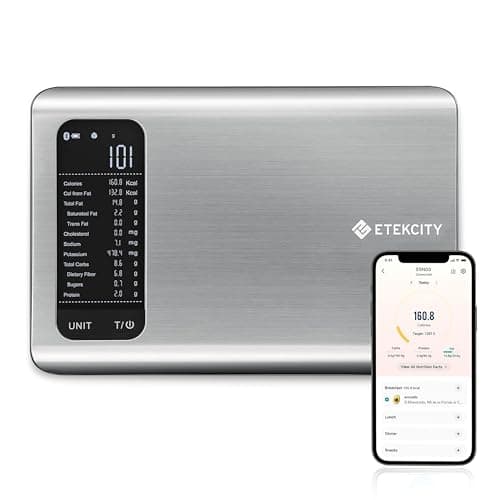
So weigh it. Not everything — just the protein. A kitchen scale on the counter during the prep session, chicken or fish or tofu portioned by weight into each container, and the rest of the meal built around it by eye. That is a two-minute addition to a session you are already doing, and it is the difference between six small meals that add up and six small meals that do not. The technique is on how to use a food scale for macros, including the detail that catches everyone — whether to weigh food raw or cooked, which has its own page at weigh food cooked or raw.
A 1 g graduation is all this needs; you are weighing 120 grams of chicken, not 2 grams of creatine. The cheapest scales that do the job well are on best food scales under $20, and if you want the scale to push the numbers into an app rather than you typing them, that field is best smart food scales — with the honest case against paying for one on smart food scale vs regular food scale.
The shake question. A protein shake is the most reliable way to add 20-odd grams of protein without adding volume you cannot finish, which is why it earns a place here that it would not on a normal meal prep page. Treat it as a tool for the gap, not a meal replacement, and sip it over time rather than drinking it down fast — a large volume quickly is exactly the kind of thing that feels bad on these medications. Bottle choice barely matters at this job; the cheapest honest one is fine, and the field is on best shaker bottle.
The waste problem, and the freezer fix
Here is the thing nobody warns you about: a smaller appetite plus a normal batch-cook equals a lot of food going in the bin on Thursday. You cooked for the person you were two months ago.
You have two options and only one of them is any good. You can cook less, which means cooking more often — more sessions, more dishes, the thing meal prep exists to avoid. Or you can keep cooking a full batch and send the surplus straight to the freezer in single portions, on the day you cook it, before it has a chance to become a sad container at the back of the fridge.
The second one is the system:
- Cook the batch you always cooked. One session, full trays, nothing changes here.
- Portion the fridge containers small — three or four days of the small size, not five days of the old size.
- Everything left goes into 1-cup freezer wells the same day. Freeze, pop the blocks out, bag and label them. The tray goes back in the drawer.
- Thaw by appetite. One block on a small day, two on a hungry one. This is the part that actually solves the variability — you are no longer guessing on Sunday how hungry Thursday will be.
The freezer rules themselves do not change: the USDA-backed storage times, the cooling window and the freezer-burn prevention are on how long does meal prep last in the freezer and how to freeze meal prep without freezer burn. Container formats for the freezer specifically are on best freezer containers for meal prep.
A prep session for a smaller appetite
Same session, four modifications. Nothing here needs more time than you already spend.
- Cook protein first and cook extra of it. It is the component every small meal is built around, and the one you will run out of. Bulk chicken is on how to bulk cook chicken breast.
- Keep the fat and the sauce separate. Fried and high-fat foods are named in the guidance above as symptom triggers, and a sauce poured over the whole batch on Sunday is a decision you cannot undo on Wednesday. Small cups, added at the table.
- Weigh the protein into the containers, then fill around it. Scale on the counter, two minutes total.
- Freeze the surplus the same day, in single portions. Not "if there is any left" — plan for surplus, because there will be.
If you are cooking for yourself only, the scaling arithmetic is already worked through on meal prep for one person, and the cheap version of the whole system is on meal prep on a budget. If you are lifting alongside this — and the guidance above explicitly recommends strength training, because of the muscle-loss risk — the gym-side version of the plan is meal prep for the gym.
One limit worth planning around: steel cups never go in a microwave. If the only heat at work is a microwave, pack glass or vented plastic instead; if there is no microwave at all, the hot portion has to come in a vacuum jar, and carrying that alongside a cold portion has its own rules — how to pack hot and cold food in one lunch box.
The gear this leads to
Our picks for this
A scale, small sealed portions, a freezer tray and a shaker
Four pieces, none of them expensive, each solving one line of the guidance above: weigh the protein, pack small, freeze the surplus in single portions, close the protein gap.
Best macro scale for the money
Etekcity ESN00 Smart Nutrition Scale
1 g · 11 lb · VeSync appApp sync7.9/101 g graduation to 11 lb with a 9.2 x 6.3 in platform and an app database — enough precision to portion protein, and no more than you need. 1 g, not 0.1 g, so it is the wrong scale for supplements.
$39.99Amazon#ad · Price as of November 4, 2026 · Disclosure for the link to Etekcity ESN00 Smart Nutrition Scale
Best sealed steel set
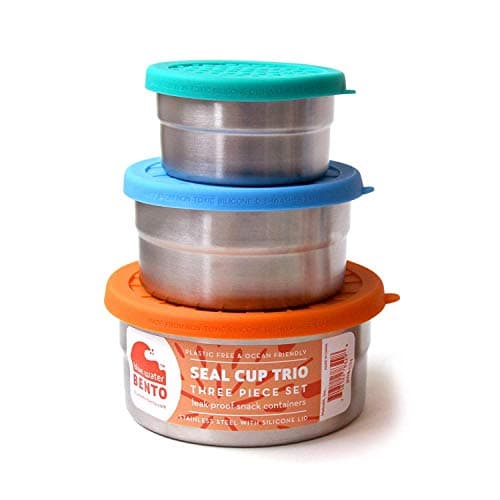
ECOlunchbox Blue Water Bento Seal Cup Trio
Type 304 steel · silicone lidsOvenDishwasherLeak-resistant8.0/10Three nesting steel cups at 0.625, 1.5 and 2.5 cups with silicone lids the maker calls leak-proof — the small-portion sizes in one set, oven and dishwasher safe. Never a microwave, which is the real limit.
$34.00Amazon#ad · Price as of November 4, 2026 · Disclosure for the link to ECOlunchbox Blue Water Bento Seal Cup Trio
Best portion freezer tray
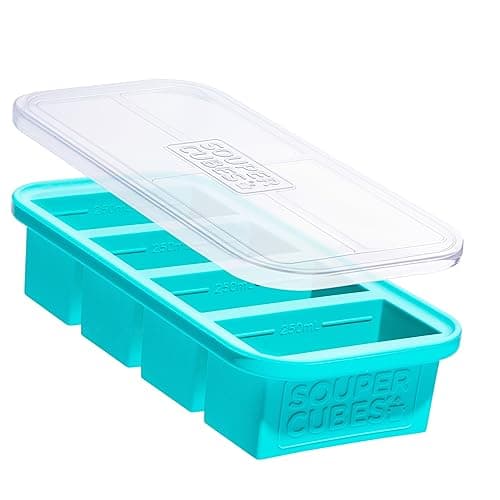
Souper Cubes 1-Cup Freezer Tray
Silicone tray · steel frameOvenFreezerDishwasher7.6/10Four 1-cup wells with fill lines and a steel frame: the surplus-portion tool, so Thursday's appetite decides how much thaws instead of Sunday guessing.
$21.99Amazon#ad · Price as of November 4, 2026 · Disclosure for the link to Souper Cubes 1-Cup Freezer Tray
Best all-round shaker
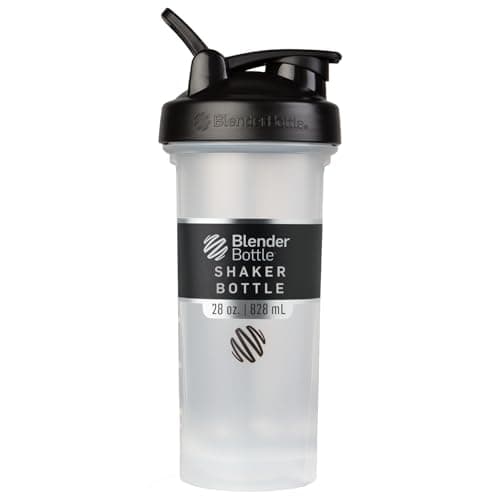
BlenderBottle Classic V2 (28 oz)
BPA-free plastic · wire whiskDishwasherLeak-resistant8.1/10The cheap, honest way to close a protein gap without adding food volume. Sip it slowly rather than drinking it fast.
$9.99Amazon#ad · Price as of November 4, 2026 · Disclosure for the link to BlenderBottle Classic V2 (28 oz)
Three mistakes worth avoiding
Prepping five days of the old portion anyway. It feels efficient and it is how food gets wasted. Three or four days in the fridge, the rest in the freezer.
Dropping protein on a bad day. This is the one with a real cost attached, given that the guidance above names muscle loss as a risk. On a day when solid food is unappealing, the shake is the floor — not nothing.
Buying a whole new container set on week one. Appetite keeps moving for a while, especially across dose changes. Buy a small-size set and a freezer tray, keep the containers you own, and see where you settle before replacing a kitchen.
How Meal & Macro picks gear
Researched, compared and scored
Every pick starts with the maker's own product page and manual: the lid, material and care ratings in its exact wording ("leak-proof", "oven safe to 450°F", "top-rack only"), the container-fit and ice-pack arithmetic worked out from published dimensions and the USDA's numbers, and a score on a public rubric for the category that weights the seal, the material and the fit first. Models are compared side by side, so each page lands on one clear pick per use case with the reason stated. Every figure links to where it came from; where the maker's page would not load we cite a retailer and say so.
Scores are editorial judgments built from that documented research. Commissions never set a score or decide a pick. The rubrics and their weights are published.
Questions
Frequently asked
What size meal prep containers should I use on a GLP-1?
Smaller than the standard 3-to-4-cup box, and the practical answer is a set that spans roughly 1 to 2 cups so a container is full at the portion you actually finish. Half-filling a big container is the thing to avoid — it dries out when reheated and travels badly. The general sizing argument is on what size meal prep containers do I need.
Do I need a kitchen scale on a GLP-1 medication?
For protein, it genuinely helps. Eyeballing a portion carries the same absolute error whether the meal is large or small, so on a half-size plate that error is twice as costly. Weighing just the protein during your prep session is a two-minute habit, and a 1 g graduation is all it needs.
How do I stop wasting food now that I eat less?
Keep the batch cook, shrink the fridge portions to three or four days, and put all the surplus into single-portion freezer wells on the same day you cook it. Then you thaw to appetite rather than guessing on prep day how hungry you will be later in the week.
Are protein shakes a good idea on a GLP-1?
They are a useful way to add protein without adding volume, which is the central constraint. Published guidance for these medications emphasizes protein-rich food in smaller, more frequent meals, and a shake fits that shape — sipped over time rather than drunk fast. What and how much to take is a question for your prescriber or dietitian, not for a gear site.
Should I eat three meals or six small ones?
Cleveland Clinic's wording is "smaller, more frequent meals" rather than "all at once during a big meal", and it names large meals as a nausea trigger. From a prep point of view that is simply a container count: more containers, each smaller, rather than a different cooking session.
Keep reading
Related on Meal & Macro
- Best portion control containersBuying the portion sizing as a system instead of measuring it.
- What size meal prep containers do I need?The sizing arithmetic behind the table above.
- Meal prep for one personScaling a batch cook down without cooking more often.
- How to use a food scale for macrosWeighing the protein, in two minutes a session.
- How long does meal prep last in the freezer?The storage times behind the surplus-to-freezer step.
- Best bariatric portion control containersThe adjacent case: much smaller portions after surgery.
Receipts
Sources
- Cleveland Clinic Health Essentials — How To Keep Weight off With GLP-1s, with endocrinologist Anira Iqbal, MD ("While you are on a GLP-1, focus on consuming protein-rich foods and have smaller, more frequent meals" rather than "all at once during a big meal"; "high-fat foods, fried foods and carbonated beverages can all cause upset stomach and worsen nausea" and "same for large meals"; GLP-1s "can also cause you to lose muscle", so "it is important to prioritize strength training as part of your exercise routine" — one hospital system health-library article, cited as published guidance and not as this site advice) (checked 2026-11-02)
- USDA FSIS — Leftovers and Food Safety (3–4 days refrigerated, 2-hour rule, 40°F, 165°F reheat, shallow containers) (checked 2026-09-21)
- Etekcity — ESN00 Smart Nutrition Scale page (capacity, graduation, units, platform, batteries, VeSync + Nutritionix, sync, warranty) (checked 2026-09-21)
- ECOlunchbox — Blue Water Bento Seal Cup Trio page (three cup capacities, 40 oz set total, Type 304 stainless, non-toxic silicone lids, leak-proof, dishwasher and oven safe, not for the microwave, weights) (checked 2026-09-26)
- Souper Cubes — 1-Cup Freezer Tray page (portions, dimensions, silicone with steel frame, oven to 415°F trays only, dishwasher, lifetime warranty) (checked 2026-09-21)
- BlenderBottle — Classic V2 page (20/28/45 oz, BlenderBall whisk, leakproof, dishwasher safe, dimensions, limited lifetime guarantee) (checked 2026-09-21)
Materials, capacities, seals and care ratings come from the maker's own product pages and manuals (linked on every product) or, where the maker's page would not load, from a retailer listing we label as such. Food-safety numbers are quoted from the USDA and FDA pages linked above. Where a figure isn't published we say so. Amazon sets the prices and changes them often, so the button on every pick checks today's. Read the full method.