Scales / Guide
Portion control container sizes explained: cups, roughly grams, and how far a cup can be off
A portion kit measures volume. Macros are counted by weight. This page translates one into the other for the foods people actually pack, shows how much a 'cup' can vary, and tells you when the kit is enough and when it isn't.
By Mike M.Updated Spec-page researched, not used by us
#adMeal & Macro earns from qualifying Amazon purchases. Prices are set by the retailer and change. A commission never decides a ranking. How we score · Disclosure
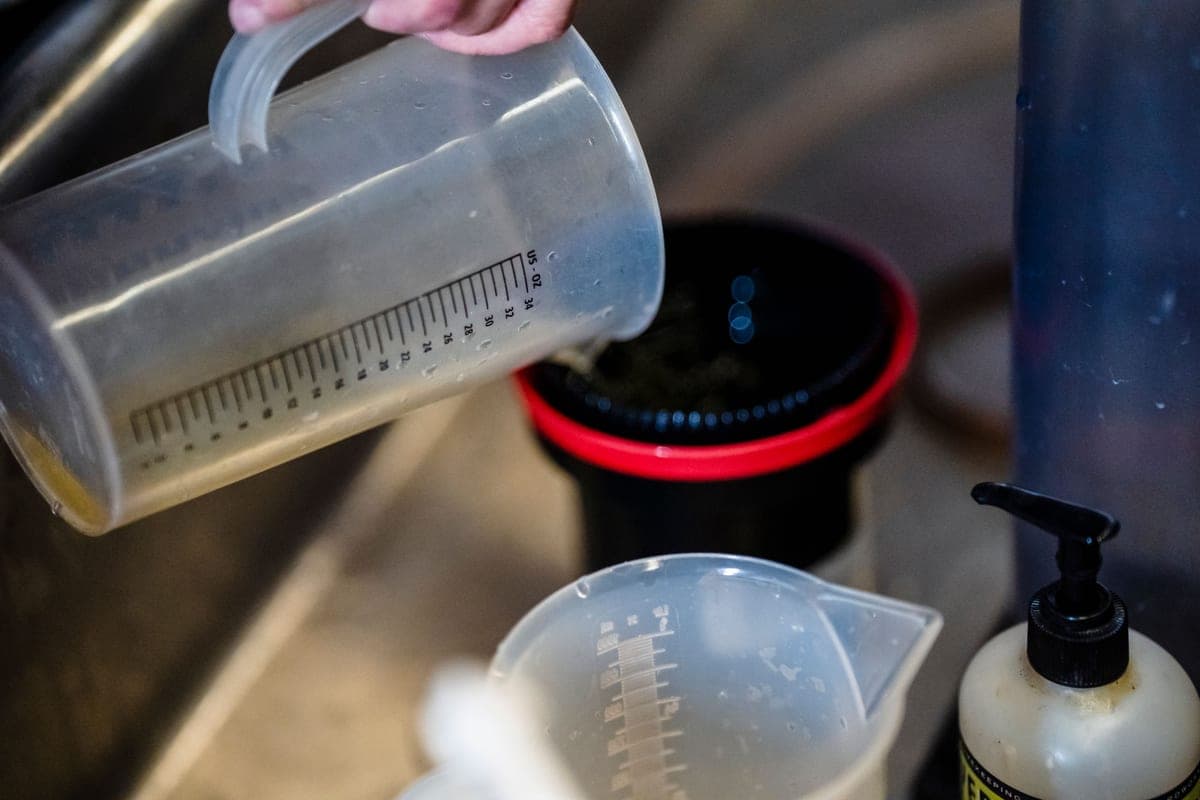
The sizes, in cups
| Container | Food group (per BODi) | Capacity (per BODi) | In mL |
|---|---|---|---|
| Green | Vegetables | 1 cup | ~240 mL |
| Purple | Fruit | 1 cup | ~240 mL |
| Red | Protein | ¾ cup | ~180 mL |
| Yellow | Carbs | ½ cup | ~120 mL |
| Blue | Healthy fats | ⅓ cup | ~80 mL |
| Orange (×2) | Seeds & dressings | 2 tbsp | ~30 mL |
Colors and capacities from BODi's product page and container explainer (linked in Sources); the mL column is the standard US-cup conversion.
Cups to grams, roughly
A cup of water is about 240 g. Food is not water. Cooked white rice packs to somewhere around 150–200 g a cup depending on how firmly it is pressed in; diced cooked chicken breast is loose and runs roughly 110–140 g a cup; raw leafy greens are mostly air and can be under 40 g a cup; olive oil is about 220 g a cup, which is why the fat container is the smallest and the one that matters most. These are ranges, not figures, and they are the reason a kit is a portion tool and a scale is a measurement tool. USDA FoodData Central lists a gram weight per cup for most foods if you want the entry for a specific one.
How far a cup can be off
The fix inside the kit is consistency: fill the same way every time (level, not packed) and the error becomes an offset you can adjust for. The fix outside the kit is a scale, once — weigh what your level cup of each food actually is, write it on the lid, and the kit becomes a gram tool.
Kit to tray to scale
The three tools are the same idea at three precisions. The kit is fastest and coarsest. A divided tray with embossed cup marks (Bentgo Prep's 2 / 1 / 1 cup wells) is the kit and the lunch box in one: the 2-cup main well is roughly two red containers plus a yellow. A scale is slowest and exact. The rankings: portion containers, divided trays, scales. And the reason a cup of cooked chicken and a cup of raw chicken are different amounts of protein is on weigh food cooked or raw.
The gear this leads to
Our picks for this
The kit, the tray with the marks, and the scale that calibrates them
- Stock photo
Best portion kit
BODi 21 Day Fix Portion Control Containers (7-piece)
Color-coded portion kitMicrowaveDishwasher5.6/10The published-capacity kit: seven containers, six sizes, nesting, top-rack dishwasher safe.
Check price · Amazon#ad · Price set by Amazon · Disclosure for the link to BODi 21 Day Fix Portion Control Containers (7-piece)
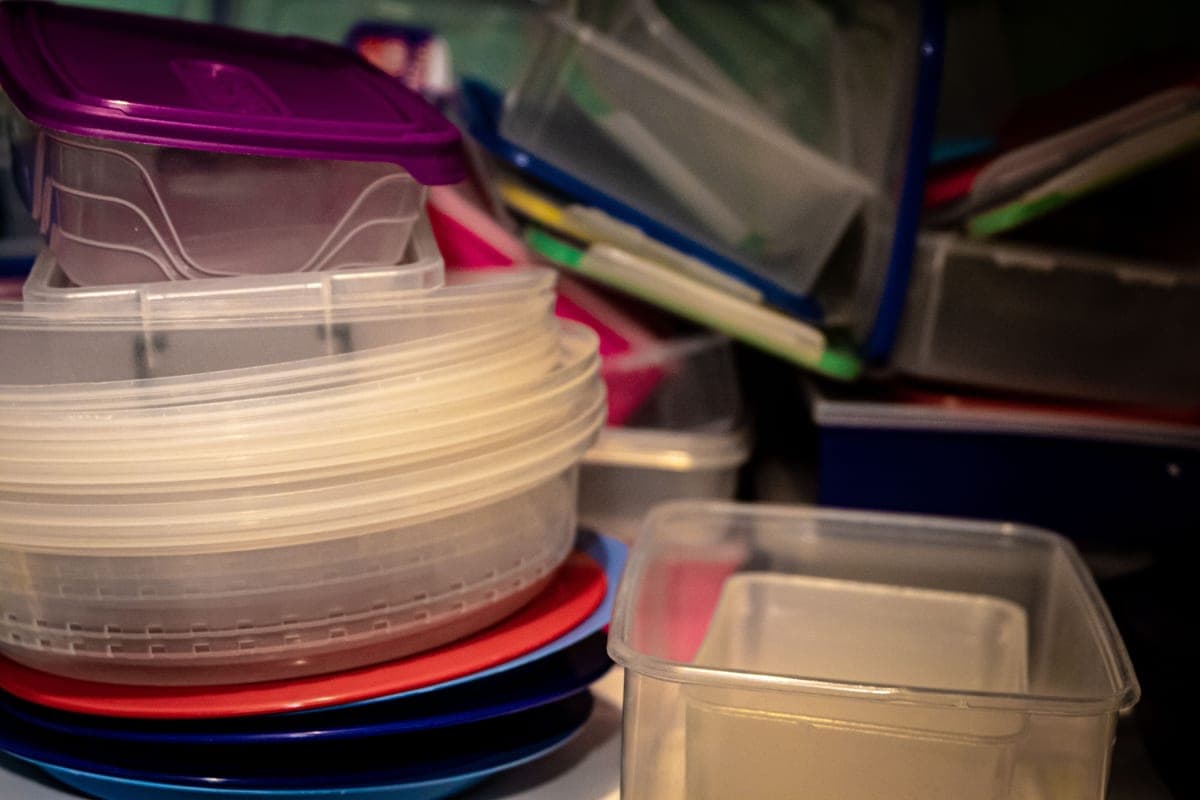 Stock photo
Best divided set
Bentgo Prep 3-Compartment Containers (20-piece)
PFAS/BPA-free plastic · 3 compartmentsMicrowaveFreezerDishwasher6.1/102 / 1 / 1 cup wells with embossed marks — the kit's portions as a container you carry.
Check price · Amazon#ad · Price set by Amazon · Disclosure for the link to Bentgo Prep 3-Compartment Containers (20-piece)
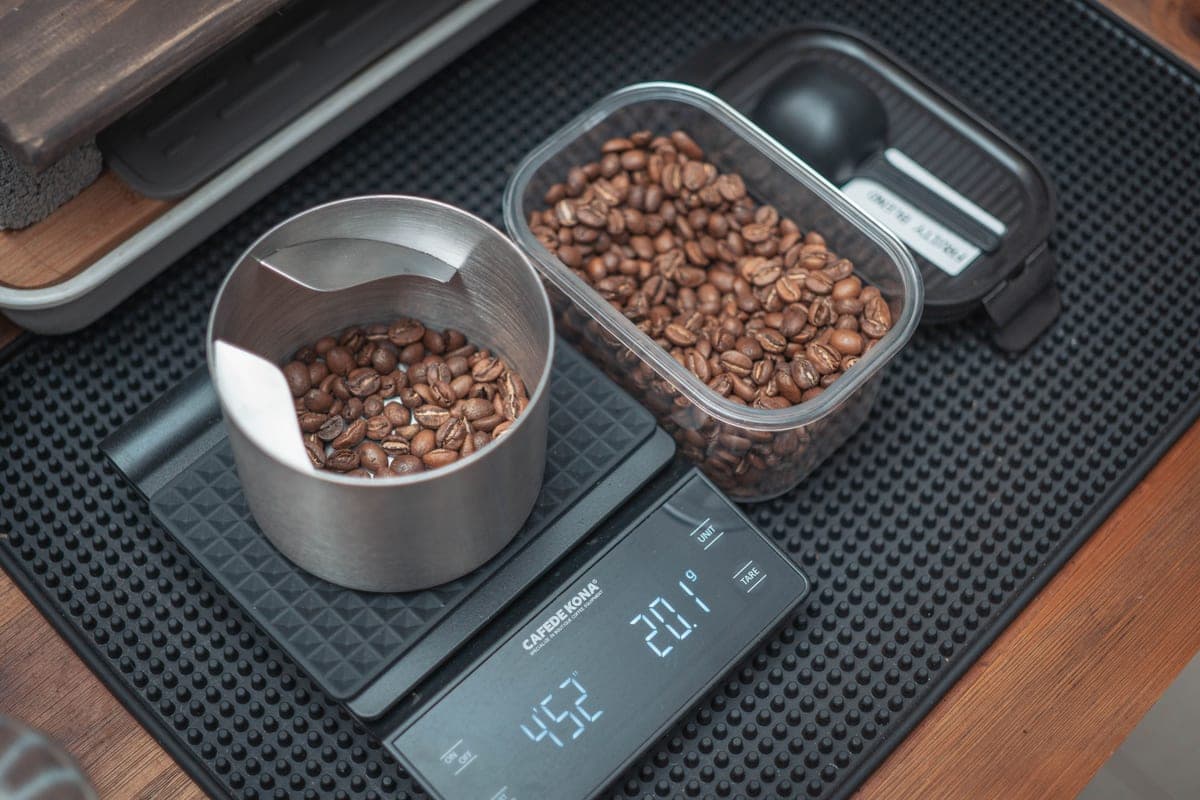 Stock photo
Best macro scale for the money
Etekcity ESN00 Smart Nutrition Scale
1 g · 11 lb · VeSync appApp sync7.9/10Weigh your level cup of each food once, and the kit becomes a gram tool.
Check price · Amazon#ad · Price set by Amazon · Disclosure for the link to Etekcity ESN00 Smart Nutrition Scale
How Meal & Macro scores gear
Units we claim to have tested: 0
Plenty of sites say they packed every container on the list for a week. We didn't, and we say so. What we do instead: read the lid, material and care ratings the maker actually publishes and repeat its wording ("leak-proof", "oven safe to 450°F", "top-rack only"), do the container-fit and ice-pack arithmetic from published dimensions and the USDA's numbers, and score every pick on a public rubric for its category that weights the seal, the material and the fit first. Every figure links to where it came from; where the maker's page would not load we cite a retailer and say so.
Scores are editorial judgments from that documented research, not test results. Commissions never set a score or decide a pick. The rubrics and their weights are published.
Questions
Frequently asked
How many grams is a portion control container?
It depends on the food. The containers are volumes (1 cup, ¾ cup, ½ cup, ⅓ cup, 2 tbsp); a cup of cooked rice and a cup of greens weigh very different amounts. Weigh your own level cup once to know.
Are portion control containers accurate?
Repeatable if you fill the same way every time; not precise. Packing density alone can move a half-cup of rice by 30%.
Can I use a divided meal prep tray instead of a kit?
Yes — Bentgo Prep's trays have embossed cup marks in each well, which does the same job while being the container you carry.
Keep reading
Related on Meal & Macro
Receipts
Sources
- BODi — Portion Control 7-Piece Container Kit page (colors, BPA/DEHP-free, top-rack dishwasher, nesting) (checked 2026-09-21)
- BODi blog — Understanding the 21 Day Fix Containers (container capacities by color) (checked 2026-09-21)
- Bentgo — Prep 3-Compartment Containers 20-piece page (capacities, dimensions, materials, care) (checked 2026-09-21)
- Etekcity — ESN00 Smart Nutrition Scale page (capacity, graduation, units, platform, batteries, VeSync + Nutritionix, sync, warranty) (checked 2026-09-21)
- USDA FoodData Central (nutrient database used for raw vs cooked yields) (checked 2026-09-21)
We don't own or use-test this gear and we don't pretend to. Materials, capacities, seals and care ratings come from the maker's own product pages (linked on every product) or, where the maker's page would not load, from a retailer listing we label as such. Food-safety numbers are quoted from the USDA and FDA pages linked above. Where a figure isn't published we say so. Prices are set by Amazon and change often, so we don't print them. Read the full method.